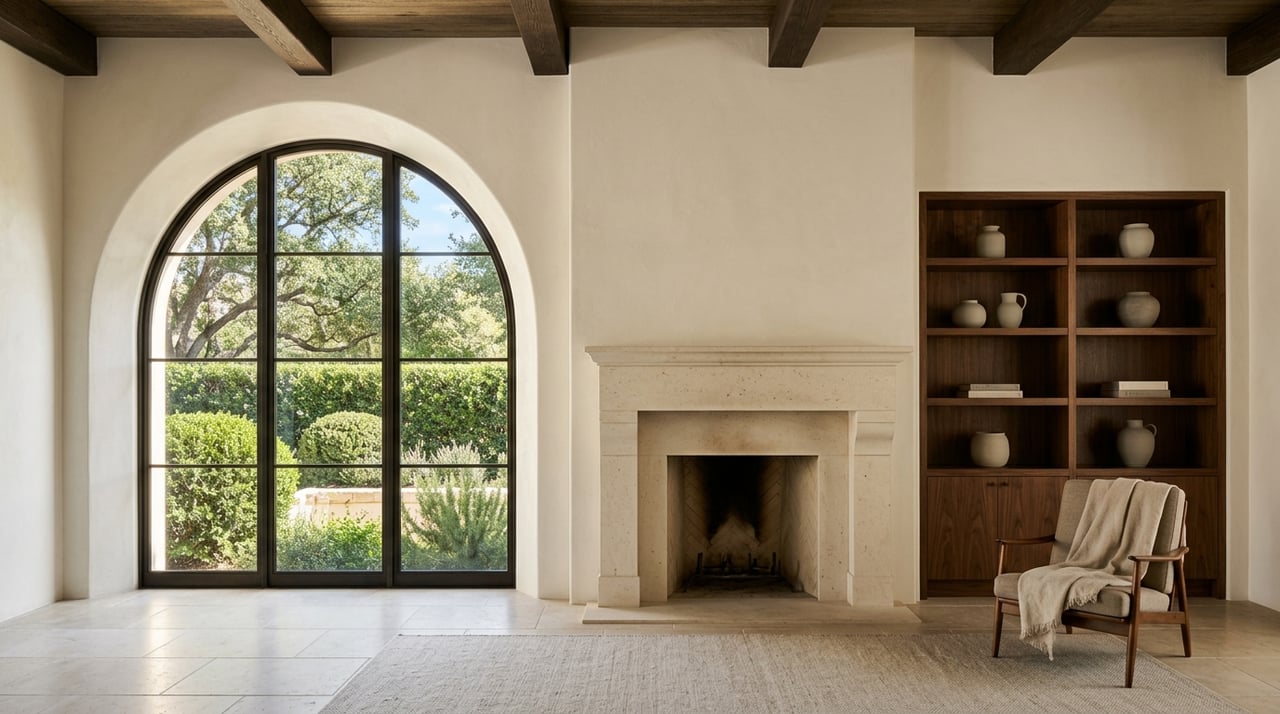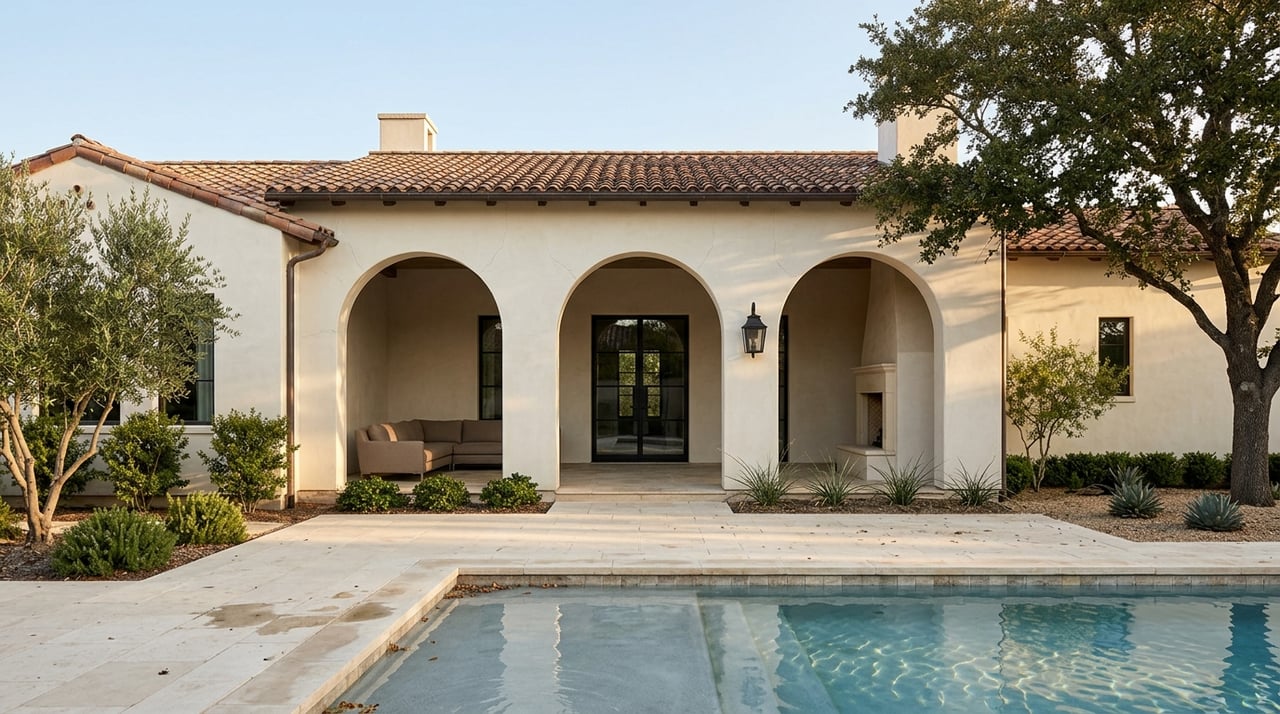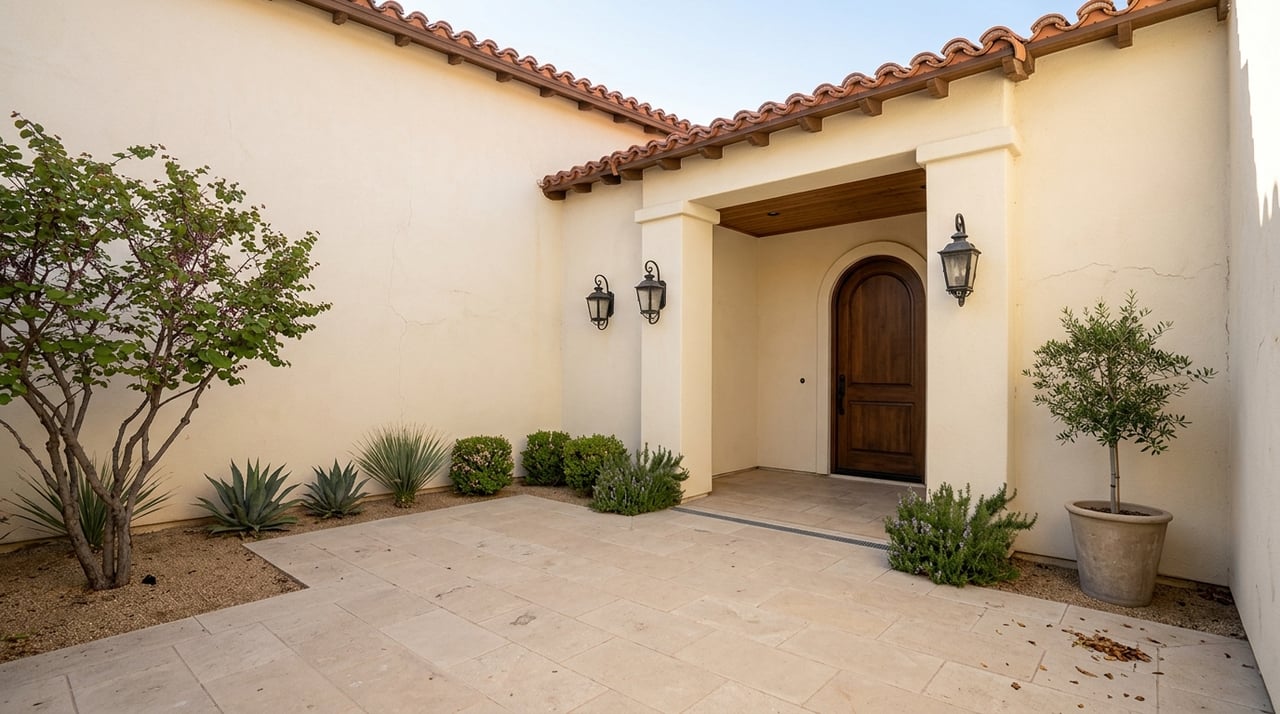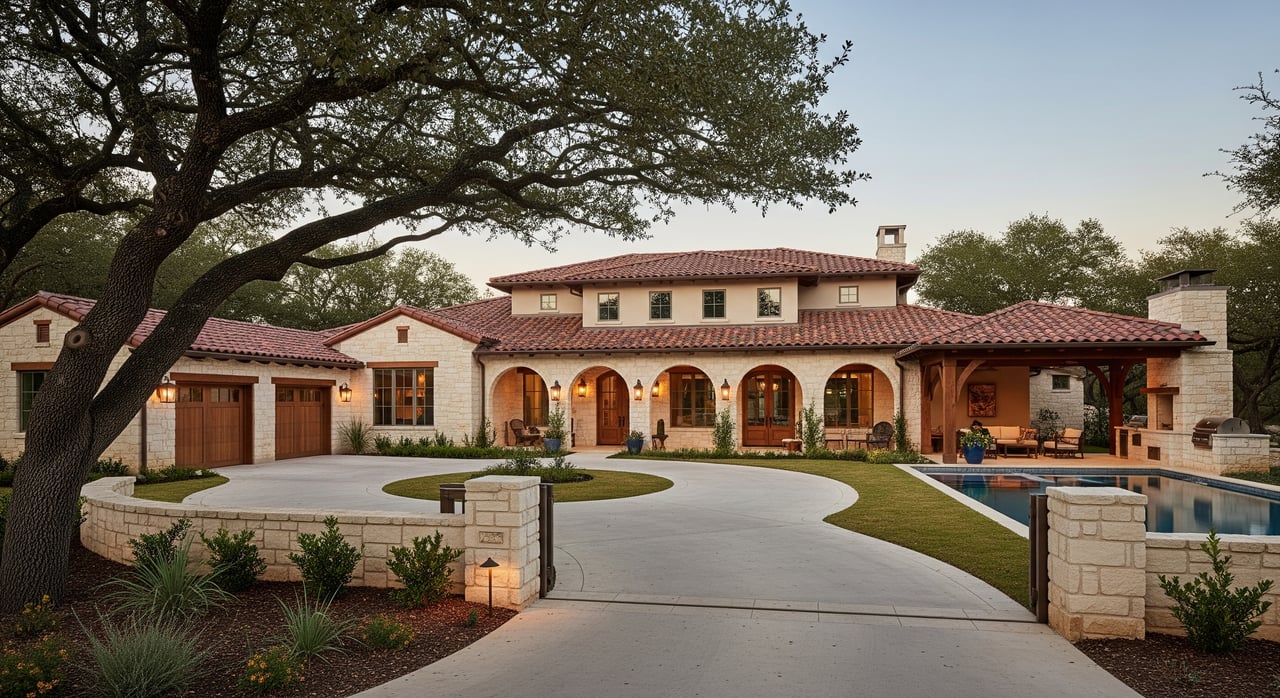
Thinking about selling or refinancing in Shavano Park and wondering what will matter most at appraisal time? You are not alone. With larger lots, mature trees, and high-end outdoor spaces, homes here do not always fit a one-size-fits-all valuation. In this guide, you will learn how appraisers evaluate Shavano Park properties, what features tend to drive value, and how to prepare so your home’s strengths show clearly. Let’s dive in.
How an appraisal works in Shavano Park
An appraiser’s job is to provide an independent opinion of market value based on professional standards and local market evidence. Appraisers follow the Uniform Standards of Professional Appraisal Practice and widely used methods published by industry groups. Lenders also require specific reporting formats and comparable sales criteria for mortgage-related appraisals.
Most single-family appraisals rely on the Sales Comparison Approach, which compares your home to recent closed sales and adjusts for differences such as lot size, condition, and amenities. The Cost Approach can matter more for unique homes or newer improvements, while the Income Approach is rare for owner-occupied homes. The key is market support. Your appraiser will look for evidence that buyers in Shavano Park are willing to pay for the features your home offers.
Locally, appraisers pull data from several sources. The Bexar County Appraisal District provides parcel records, lot size, and building details. The City of Shavano Park offers permit histories for improvements. The San Antonio Board of REALTORS MLS supplies closed sales, pending and active listings, photos, and days on market. Your documentation helps validate these details and can save the appraiser time.
What drives value in Shavano Park
Shavano Park is an established, low-density suburb on the northwest side of the metro area. Homes often sit on larger lots with mature trees and offer privacy, custom finishes, and outdoor living. These characteristics are prized by many buyers and can influence how an appraiser selects comparables and assigns adjustments.
Below are the high-impact factors appraisers weigh most often in this area, along with simple ways you can help document them.
Lot size and usable yard
Appraisers look beyond raw acreage. They consider shape, topography, setbacks, and how much of the land is truly usable. A wide, level backyard that supports outdoor living usually has higher contributory value than steep, irregular, or flood-prone terrain. Larger lots can command premiums in premium markets, but the premium must be supported by comparable sales.
What to document:
- Survey, recorded deed, or BCAD record for lot size and legal description.
- Any floodplain, drainage, or easement information.
- Photos that highlight usable yard areas and setbacks.
Privacy and mature landscaping
Privacy is often an amenity in Shavano Park. Tree buffers, generous setbacks, or topographic separation can increase market appeal when buyers value seclusion. Mature, healthy trees and professional landscaping may boost perceived value, while hazard trees or obstructed views can detract from it.
What to document:
- Photos of sight lines, buffers, and screening.
- Tree care receipts and landscape plans.
- Irrigation system details and maintenance records.
Outdoor living spaces
Built outdoor spaces are common and can range from covered patios and pergolas to full outdoor kitchens with lighting and integrated hardscape. Appraisers consider quality, condition, function, and whether similar features appear in local comps. Professionally designed, year-round spaces tend to contribute more value than temporary or basic setups.
What to document:
- Permits, contractor invoices, and specification lists.
- Clear photos showing design, materials, and integration with the home.
Pools in a warm Texas climate
In-ground pools can add appeal in our climate, but value depends on buyer preferences, the pool’s type and condition, safety features, and how common pools are in the immediate submarket. When pool comps are limited, appraisers may also consider cost indications and depreciation. Poorly maintained or unsafe pools can be a negative.
What to document:
- Service records, equipment receipts, and recent repairs.
- Photos and notes on safety features like fencing or covers.
- Any permits and inspection documents.
Updates, condition, and permits
Appraisers estimate effective age and remaining economic life. High-quality, recent updates to kitchens and baths, roof, HVAC, windows, and major systems can improve the value opinion when they align with buyer expectations for the price point. Permit history and documented quality matter because they reduce perceived risk. Unpermitted work may be discounted or excluded.
What to document:
- Permits and final inspections for major work.
- Contractor invoices, warranties, and date-stamped photos.
Comparable sales in premium enclaves
Shavano Park’s higher price tiers can have fewer recent sales, which makes comp selection more complex. Appraisers usually start inside the immediate market area, then expand the search to similar premium enclaves if needed and explain their rationale. They rely on paired-sale analysis and carefully supported adjustments for lot size, privacy, pools, outdoor living, and condition. Active and pending listings can inform the market context, but closed sales carry the most weight.
What to expect:
- A detailed discussion in the report about why each comparable was chosen.
- Clear adjustments for major differences and a rationale for any wider geographic search.
How to prepare for the appraisal
A tidy, well-documented property helps your appraiser understand value faster and more accurately. Focus on these steps.
- Gather core documents
- Survey or deed for lot size and legal description.
- Permits and final inspections for additions, roof, pool, electrical, and major remodels.
- Contractor invoices, warranties, and a summary of updates with dates and costs.
- Pool service logs, equipment manuals, and repair receipts.
- HOA documents if applicable, including dues and shared amenities.
- Create a one-page feature sheet
- List upgrades with the year completed, contractor name, permit number, and approximate cost.
- Keep it factual and concise so the appraiser can verify quickly.
- Elevate curb appeal and access
- Trim landscaping so important features and sight lines are visible.
- Remove safety hazards and clutter on patios and around the pool.
- Ensure interior access to mechanicals, attic, and crawl spaces as needed.
- Handle obvious repairs
- Replace burned-out bulbs and damaged screens.
- Fix minor leaks and peeling paint that signal deferred maintenance.
- Provide market context for premium features
- Share sales flyers or MLS printouts of nearby homes with similar amenities if you have them.
- Highlight any unique elements that are hard to spot in photos.
- Be helpful, not persuasive
- Offer documents and factual answers.
- Avoid pressuring on price to keep the process compliant with appraisal standards.
Setting expectations in higher price bands
In premium segments, the pool of recent comparable sales is often thin. Expect larger adjustments and a wider range of credible values. Specialty features like bespoke outdoor kitchens, luxury materials, or extensive hardscape may not return dollar-for-dollar value if demand is limited in the submarket.
If an appraisal comes in below contract on a financed deal, your options include negotiating the price, the buyer bringing additional funds to close, providing additional comparable sales for the lender to review, or in some cases seeking a second appraisal. Lenders may request more support when the final opinion of value sits above most comparable sales.
Local resources and references
Use these trusted sources to verify details, pull records, and understand appraisal standards and lender guidance:
- Bexar County Appraisal District for parcel data, building sketches, and assessed values: Bexar County Appraisal District
- City of Shavano Park for permits and inspections: City of Shavano Park
- San Antonio Board of REALTORS for market stats and MLS access: San Antonio Board of REALTORS
- Appraisal standards overview: The Appraisal Foundation
- Professional valuation guidance: Appraisal Institute
- Lender appraisal requirements: Fannie Mae Selling Guide
- Improvement ROI context: Cost vs. Value Report
- Shavano Park community profile: U.S. Census QuickFacts
Ready to position your Shavano Park home for a strong appraisal and a smooth sale? Let’s talk through your goals, timing, and the documentation that will help your property shine. Connect with Jennifer Santrock for concierge-level guidance tailored to your home and your next move.
FAQs
How much does a pool add to a Shavano Park home’s appraised value?
- It depends on local comps, the pool’s type and condition, and buyer demand; appraisers prefer sales with similar pools and may also consider cost and depreciation when pool comps are scarce.
Will a larger lot automatically raise my appraisal in Shavano Park?
- Not automatically; appraisers adjust for lot size, but shape, topography, floodplain, and usable yard area determine how much of a premium buyers actually pay.
Do unpermitted upgrades get counted in a Shavano Park appraisal?
- Unpermitted work can be discounted or excluded because it adds risk; documented permit history and final inspections typically support stronger value recognition.
How do appraisers find comparables in premium Shavano Park enclaves with few sales?
- They start locally, then widen the search to similar premium areas when necessary and explain adjustments and market boundaries, with closed sales carrying the most weight.
What paperwork helps value an outdoor kitchen or custom landscaping?
- Provide permits, contractor invoices, specifications, and clear photos that show quality, materials, and integration; this helps the appraiser verify features and condition.
What are my options if the appraisal comes in low on a financed offer?
- You can renegotiate price, have the buyer bring additional funds, supply additional comps for lender review, or consider a second appraisal depending on lender process.